B2B / B2C / Fintech / SaaS / AI / Enterprise
My focus is on complex B2B interfaces and internal portals where functionality drives everything.
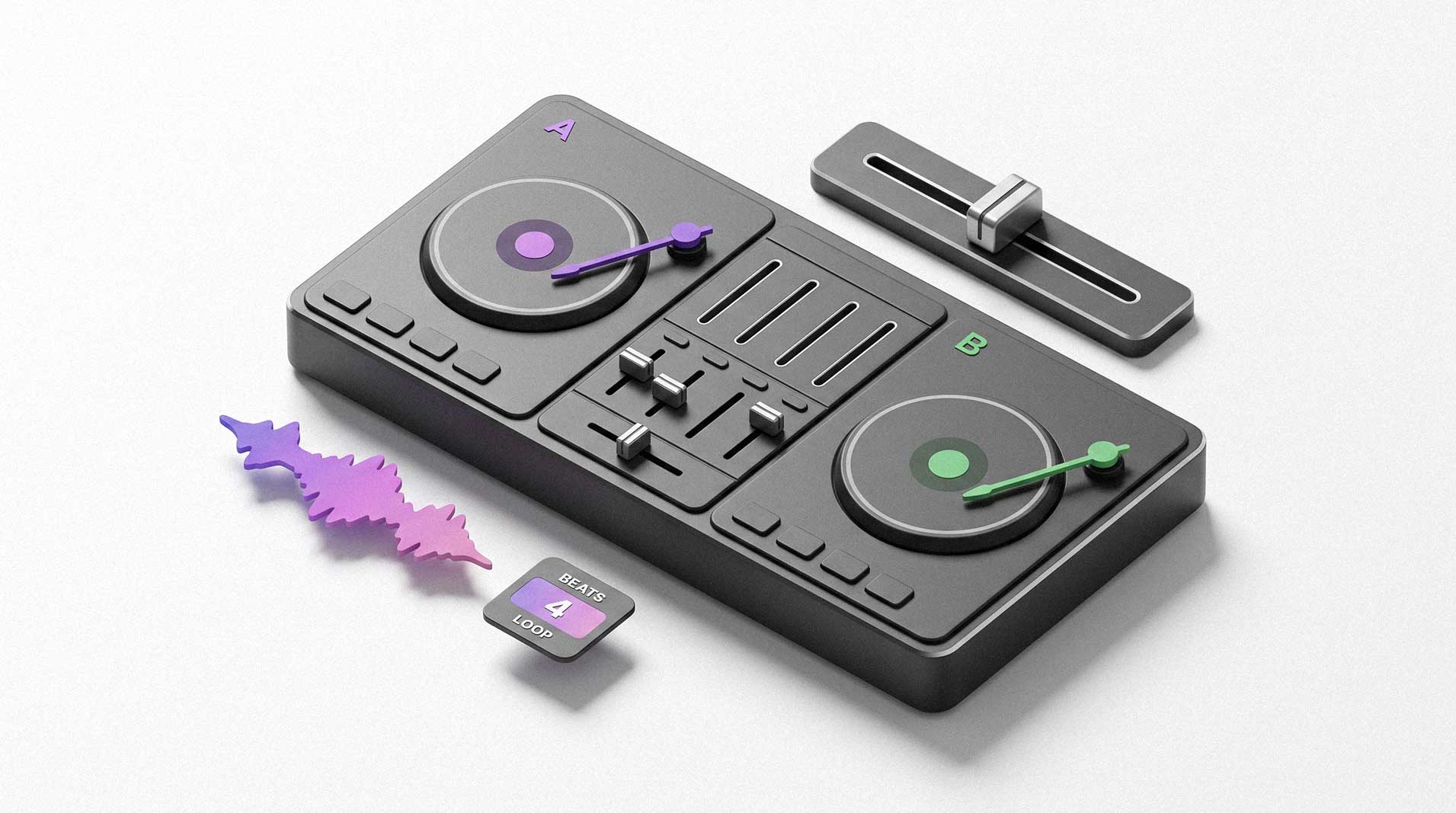
A professional, browser-native DJ system powered by live procedural audio synthesis. Featuring zero-install hardware integration via Web MIDI (Ableton-style mapping) and a faithful emulation of the legendary Red Sound Soundbite loop sampler.
A personalized AI-based style ecosystem: from image generation to a social network of professional stylists.
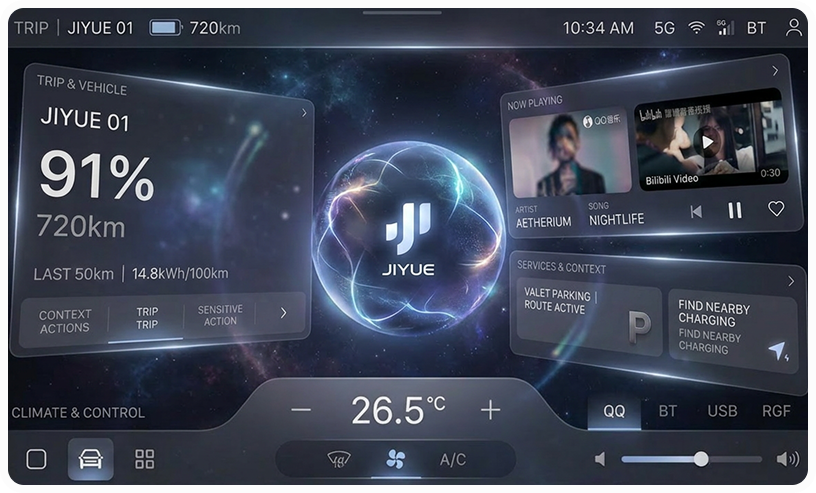
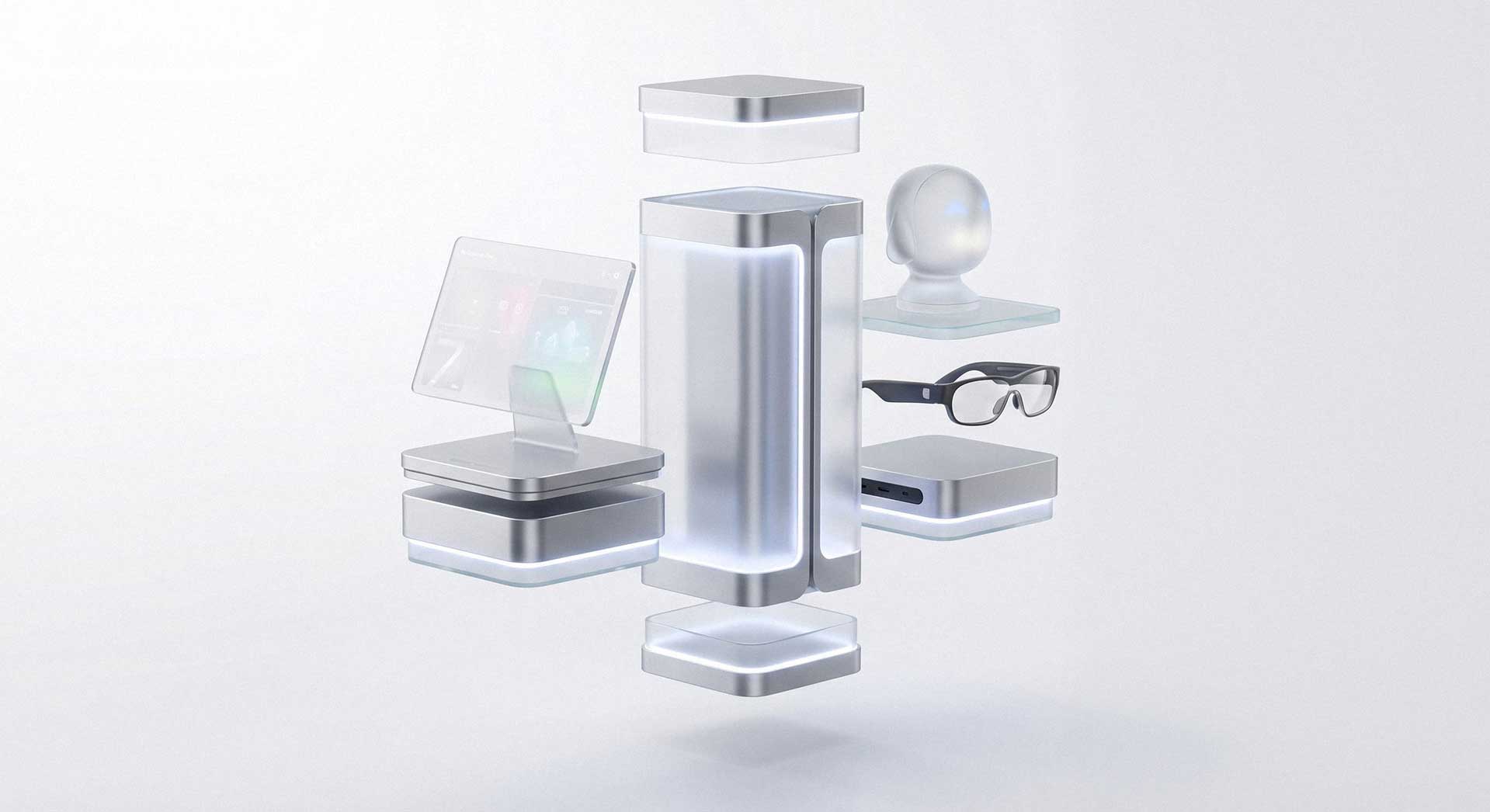
Smart home environment concept. Designing adaptive spaces and cinematic visual experiences driven by AI prompts.
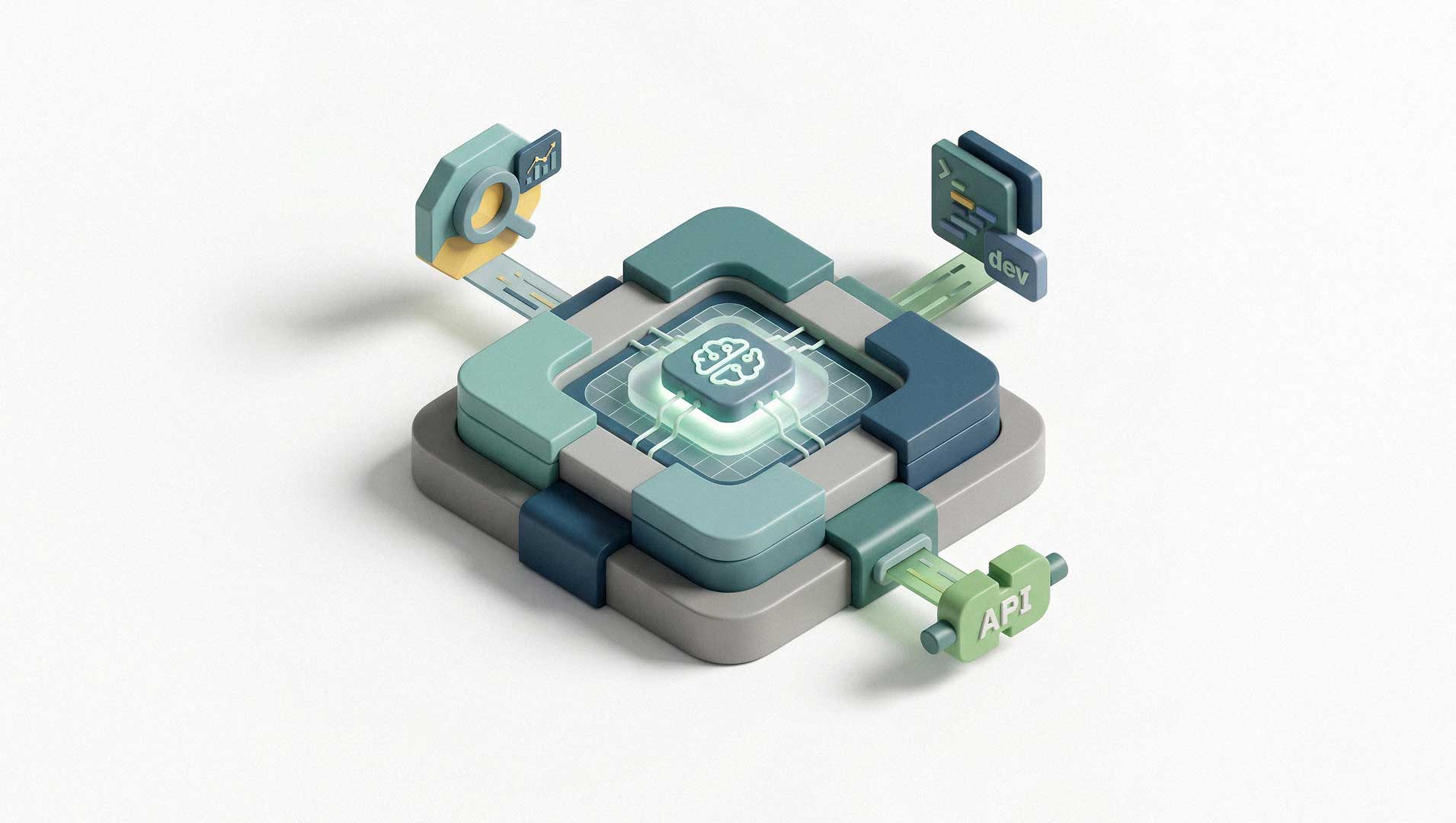
Designing an omnichannel AI ecosystem. Features an AI Agent, seamless workspace migration, and request flow redesign for 250k+ employees.
Redesign of key user flows and insurance products. Conversion optimization and visual language update.
I explore interfaces by transitioning from static mockups to live prototypes using real code (React + TypeScript + Tailwind + AI). This allows me to test data density and interaction patterns directly in the browser.
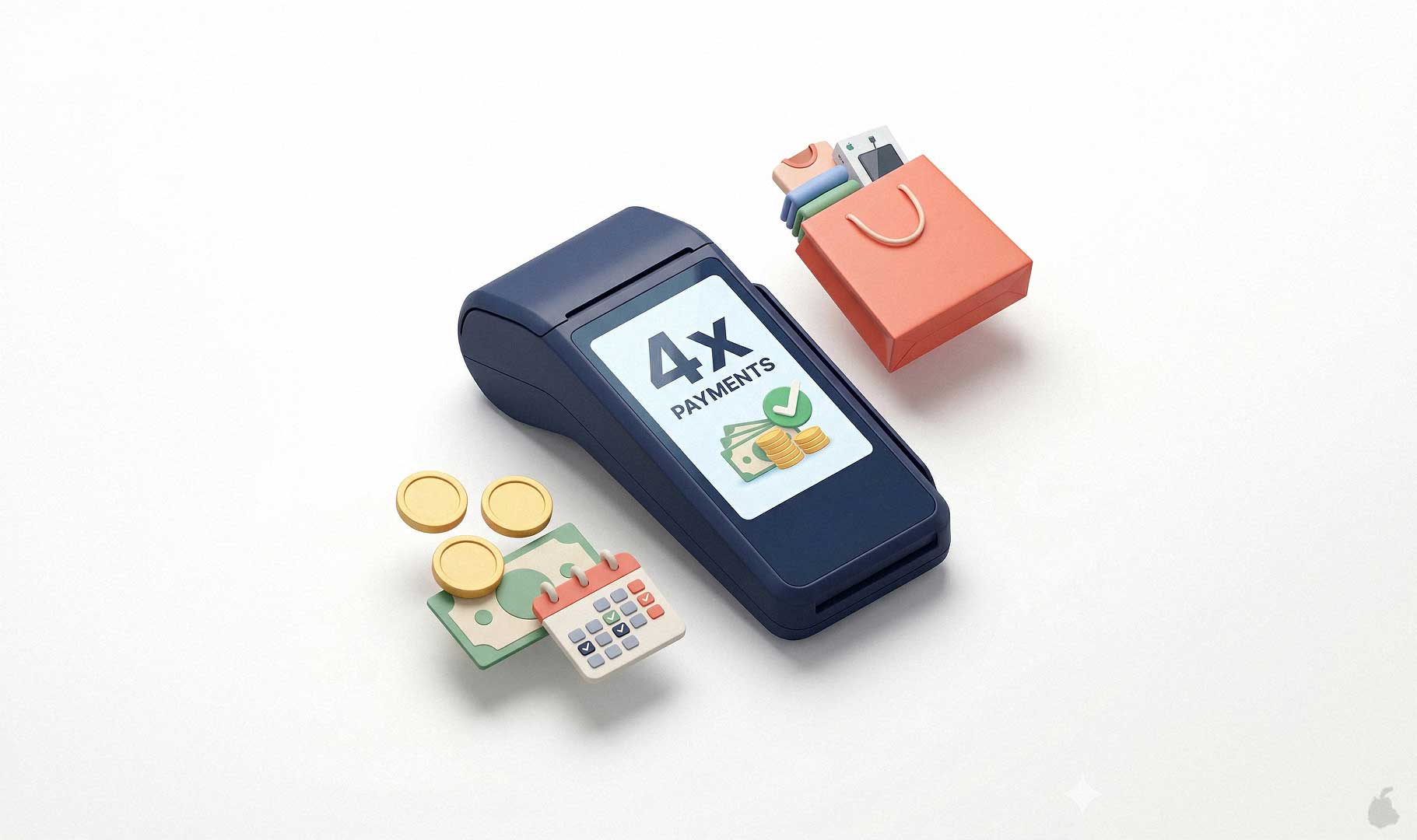
Fintech ecosystem product design. Transforming routine financial transactions into a secure, supportive, and aesthetic playground with intuitive gamification tailored for a female audience aged 25–45.
Redesign of a conversion-focused landing page for a local service. Increase in conversion rate through trust-layer and simplified scenarios.
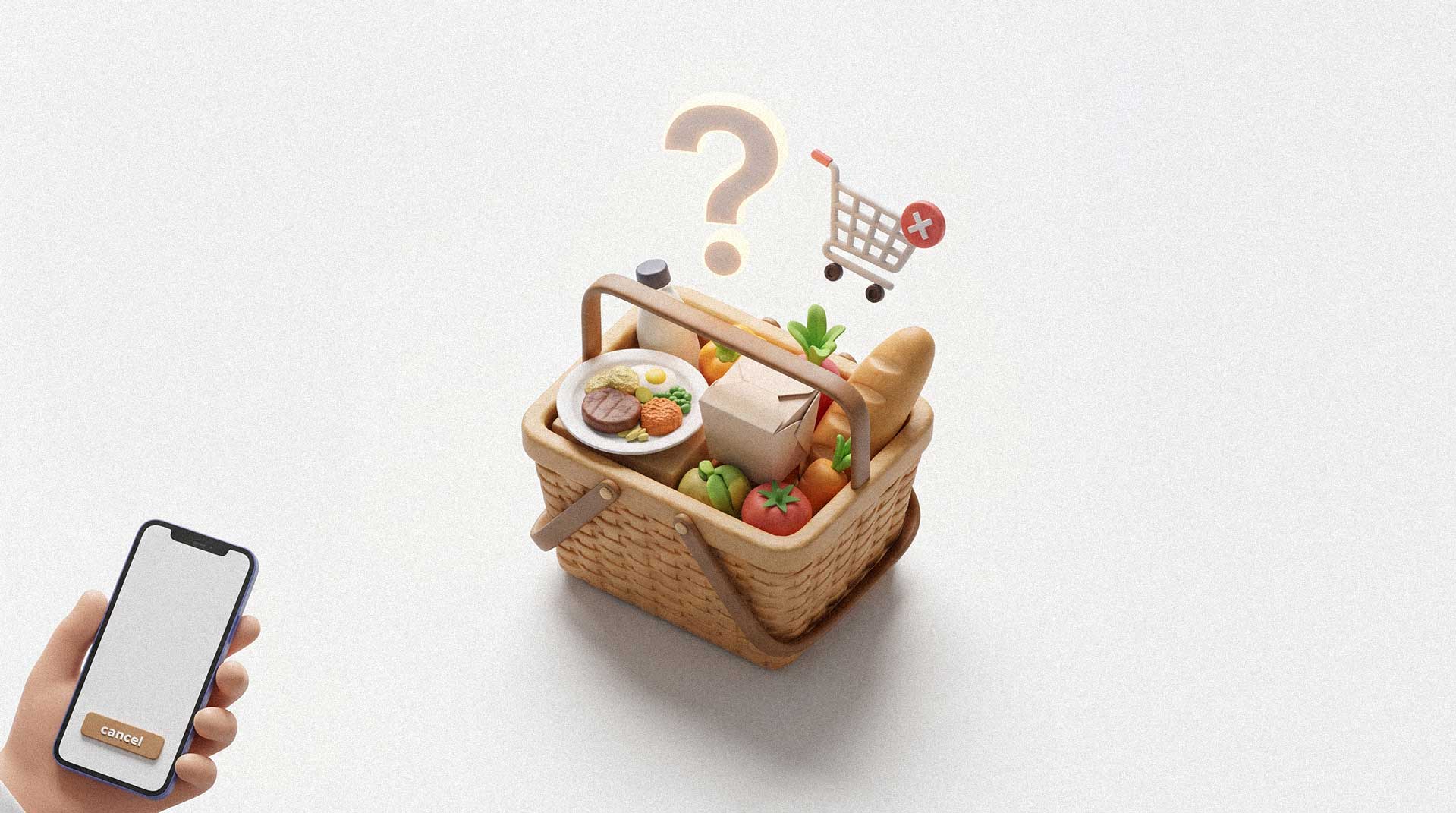
Strategic UX case study on reducing the percentage of abandoned carts. 44% increase in checkout conversion.
Taming the complexity of a legacy system. Cognitive load optimization and layered data architecture.
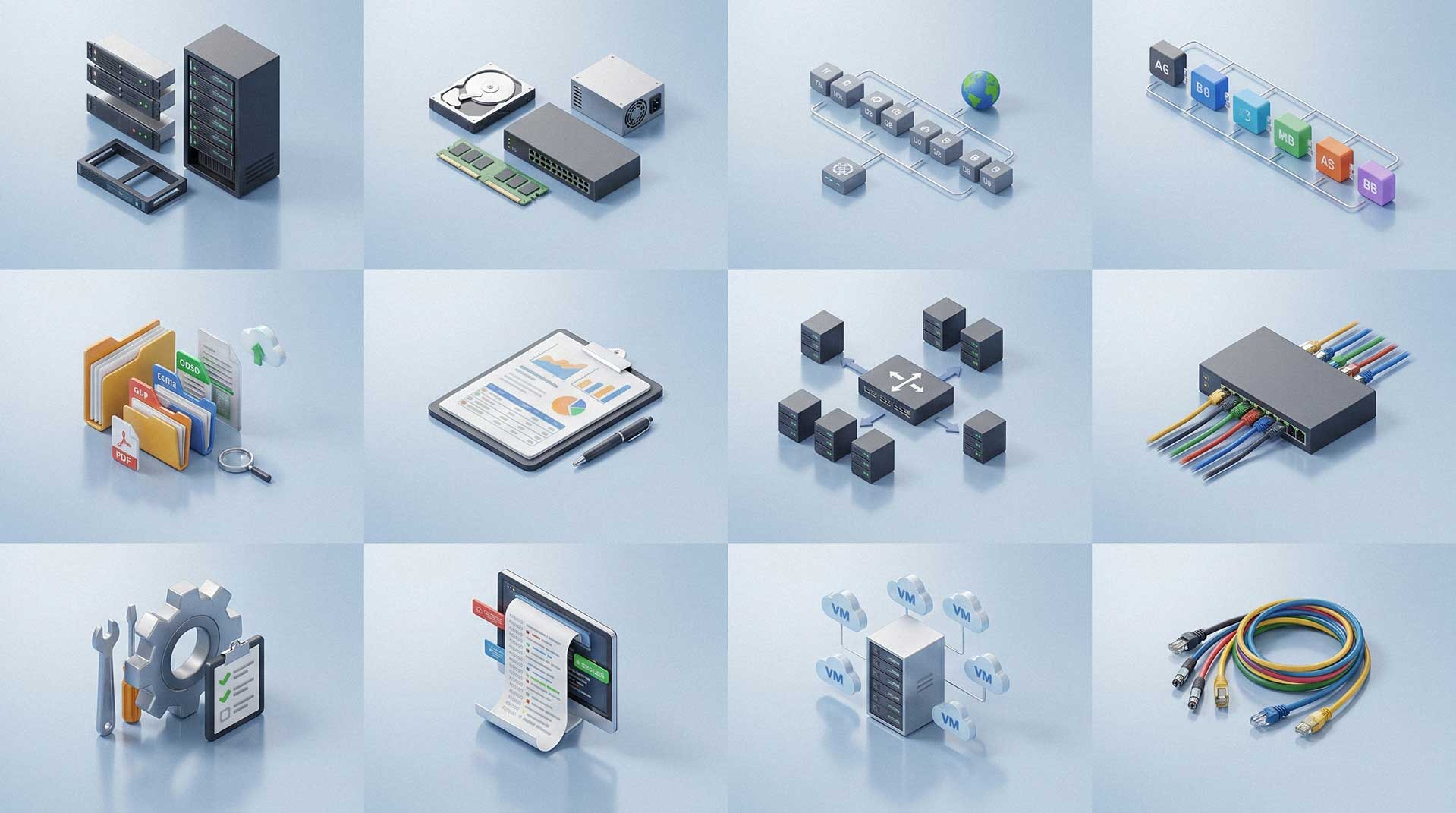
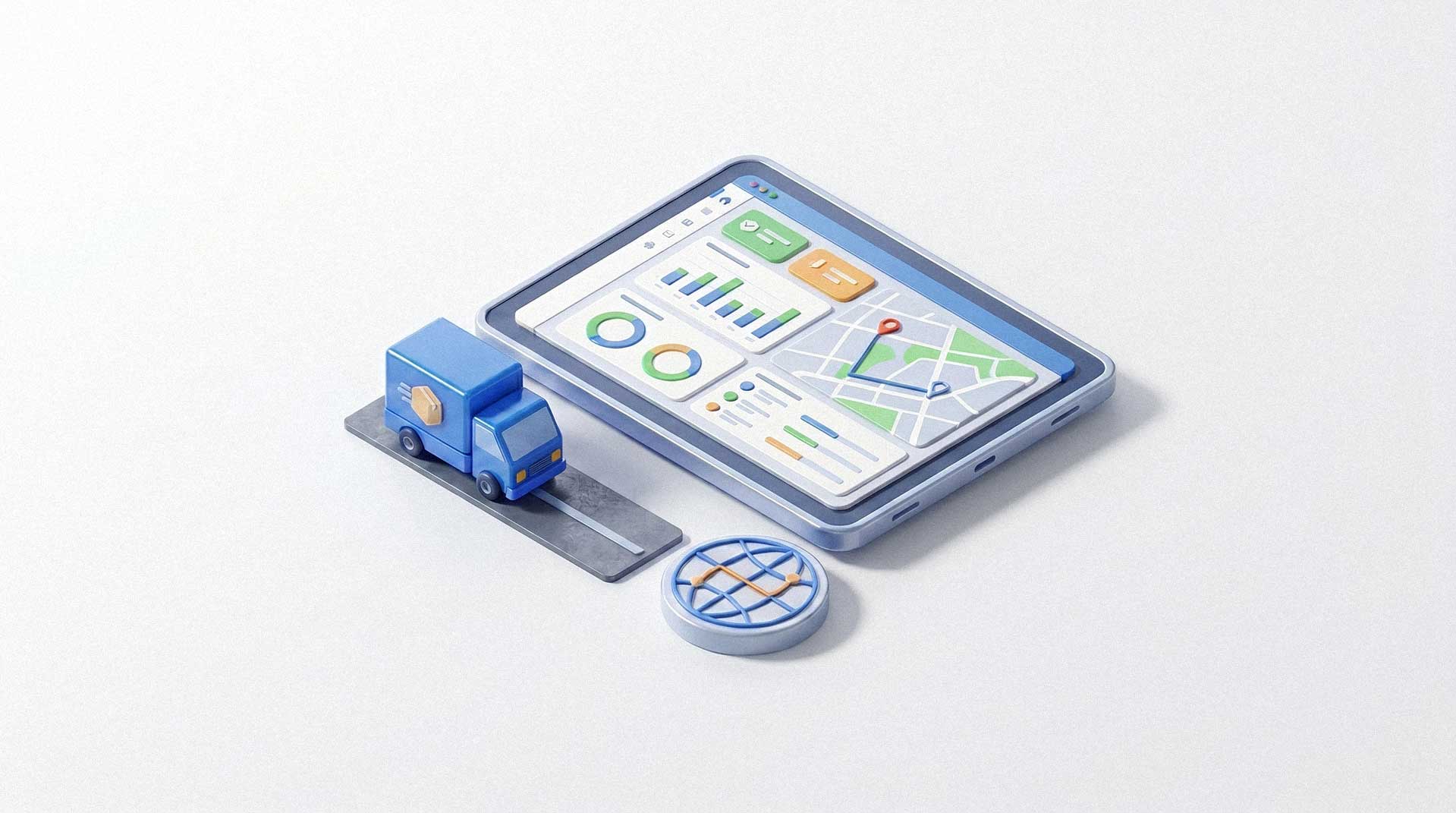
Supply chain management, real-time metrics monitoring, and advanced routing workflows.
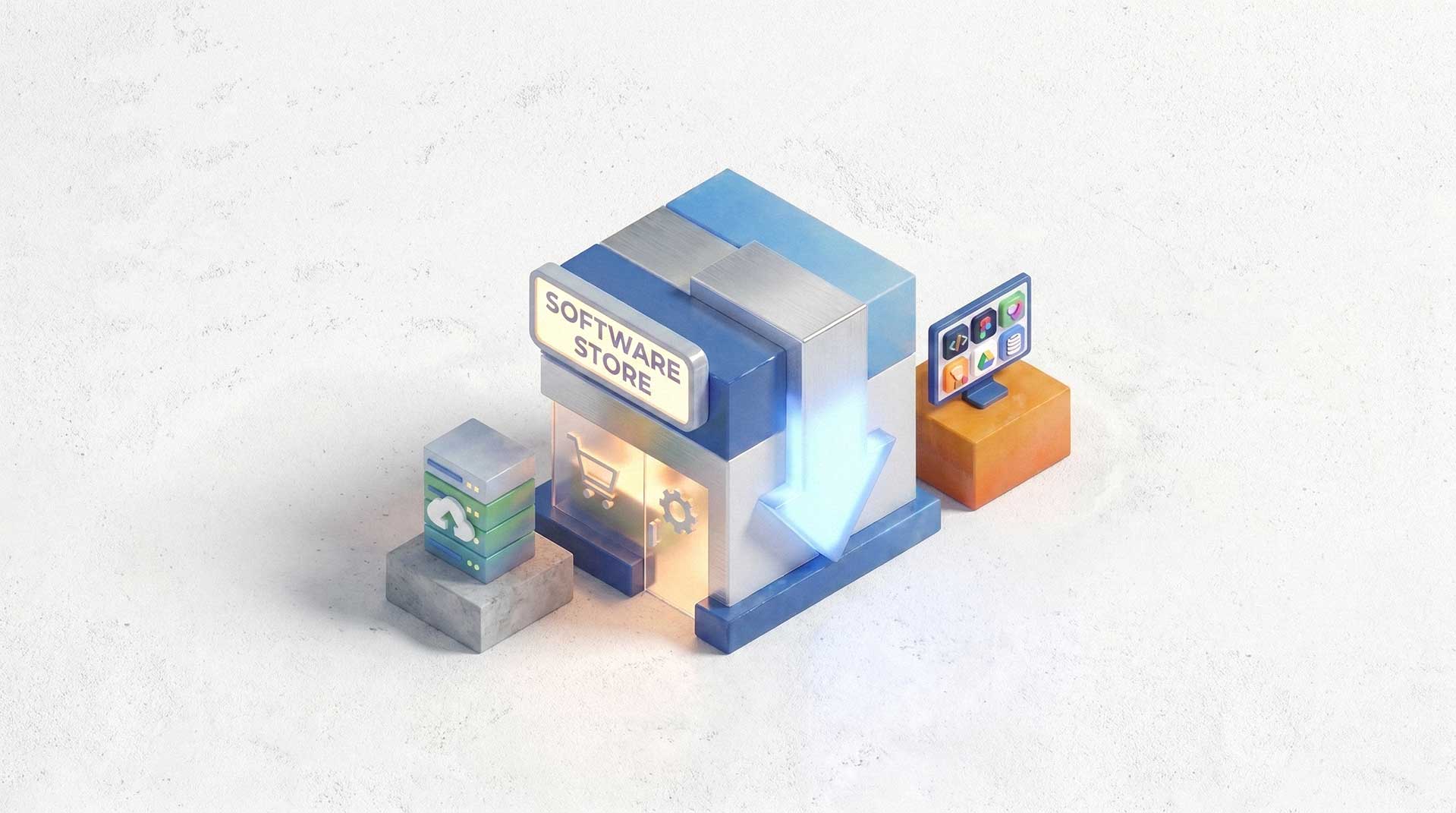
Digital distribution platform focusing on conversion-driven patterns and clean, minimal UI.
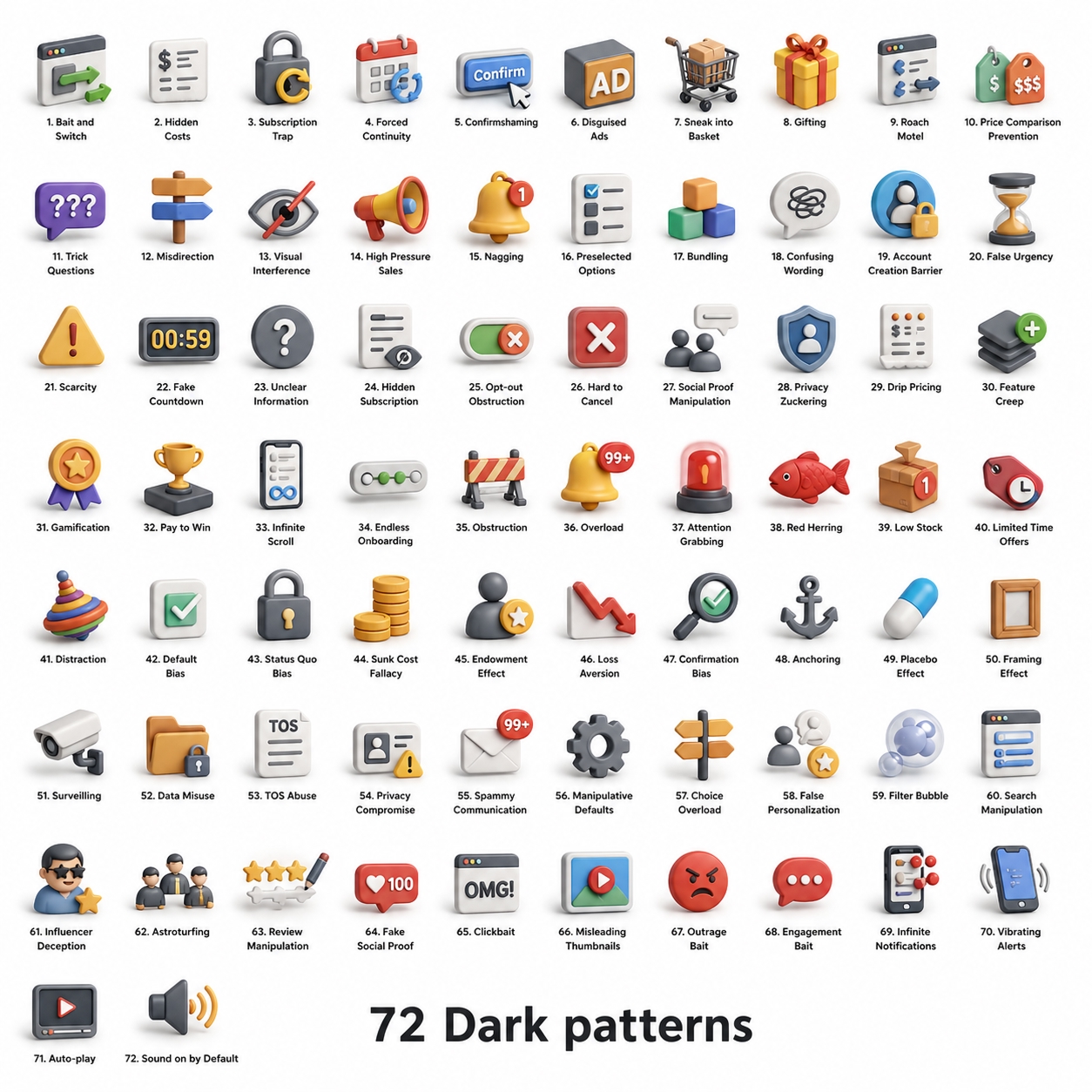
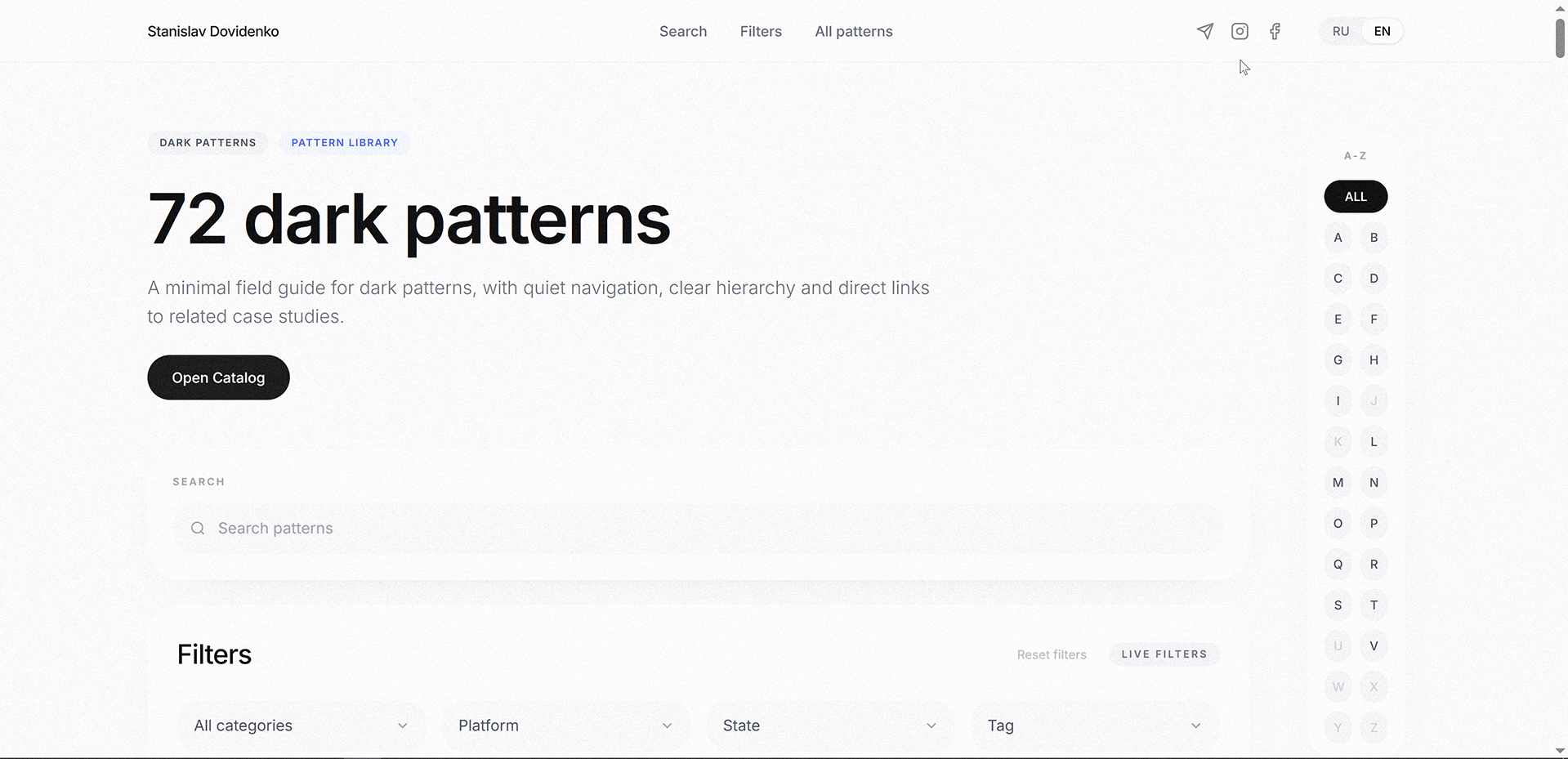
Deep analysis of manipulative interfaces and the conflict between business metrics and ethical product design.
Fonts shape the mood of your brand.
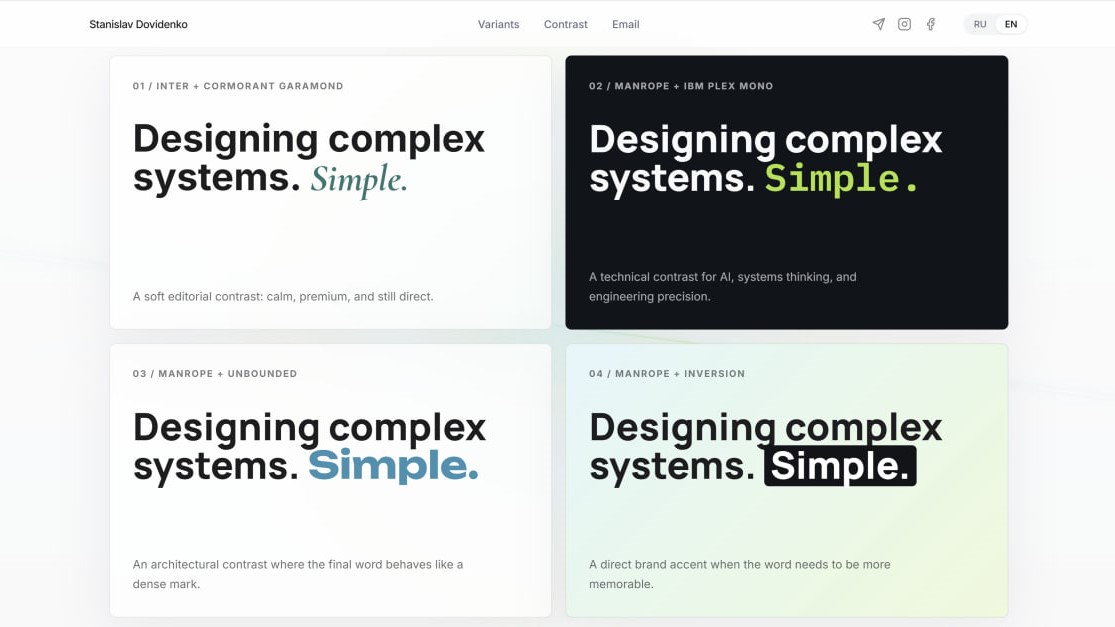
Exploring different font pairings through four variations.
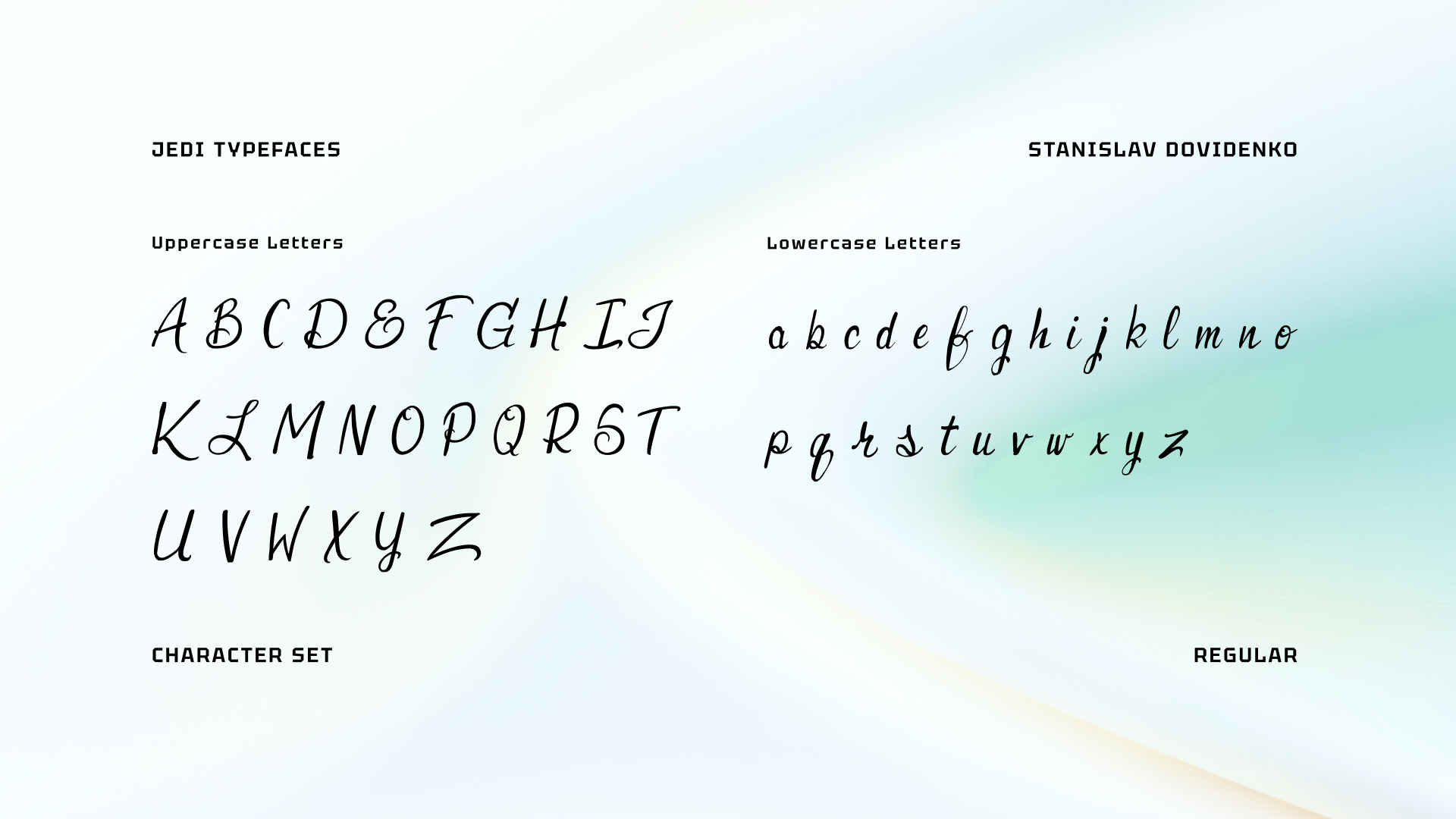
A custom handwritten Jedi font created for the system. Type your name directly on the page. Currently available in English only.
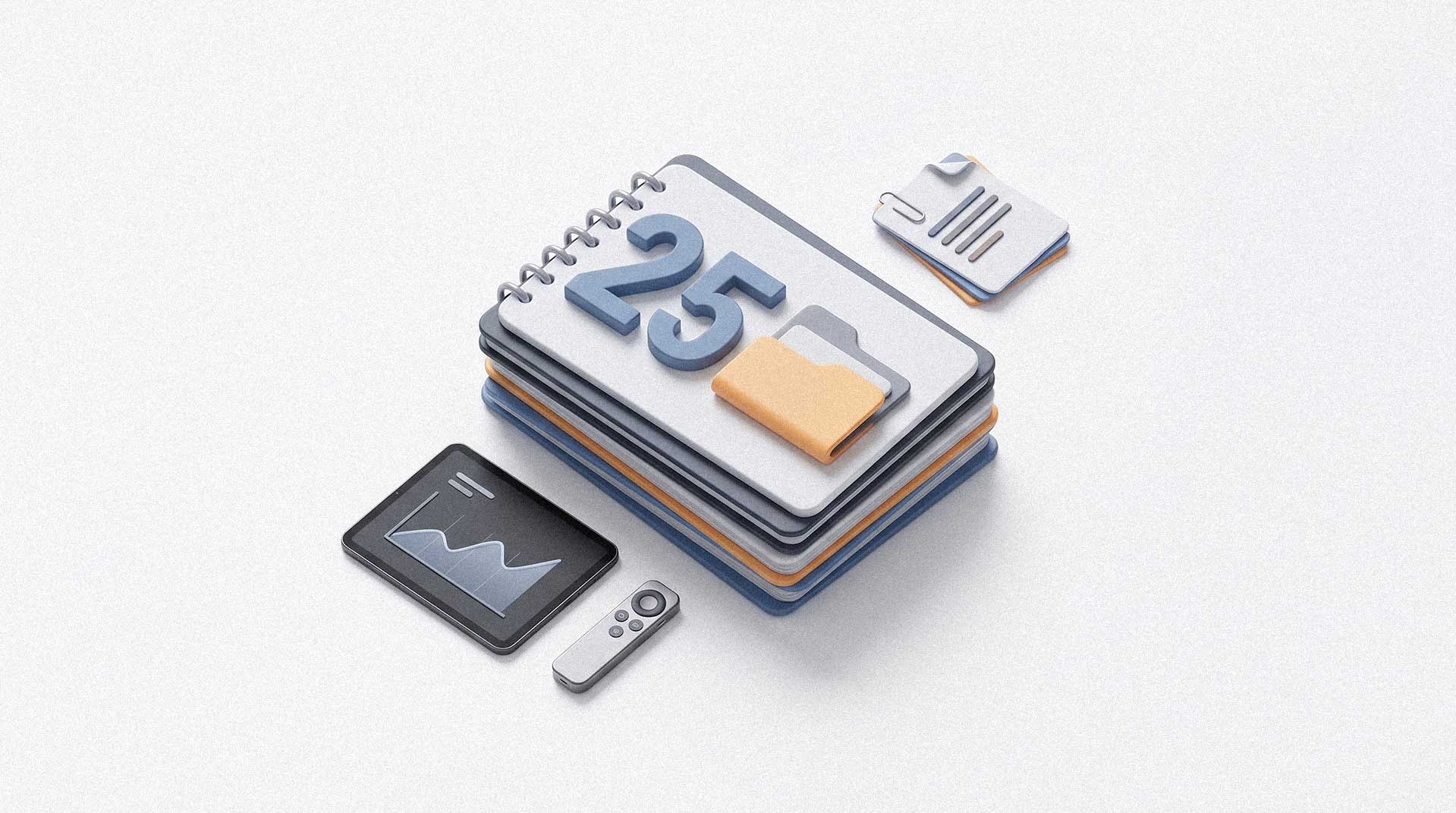
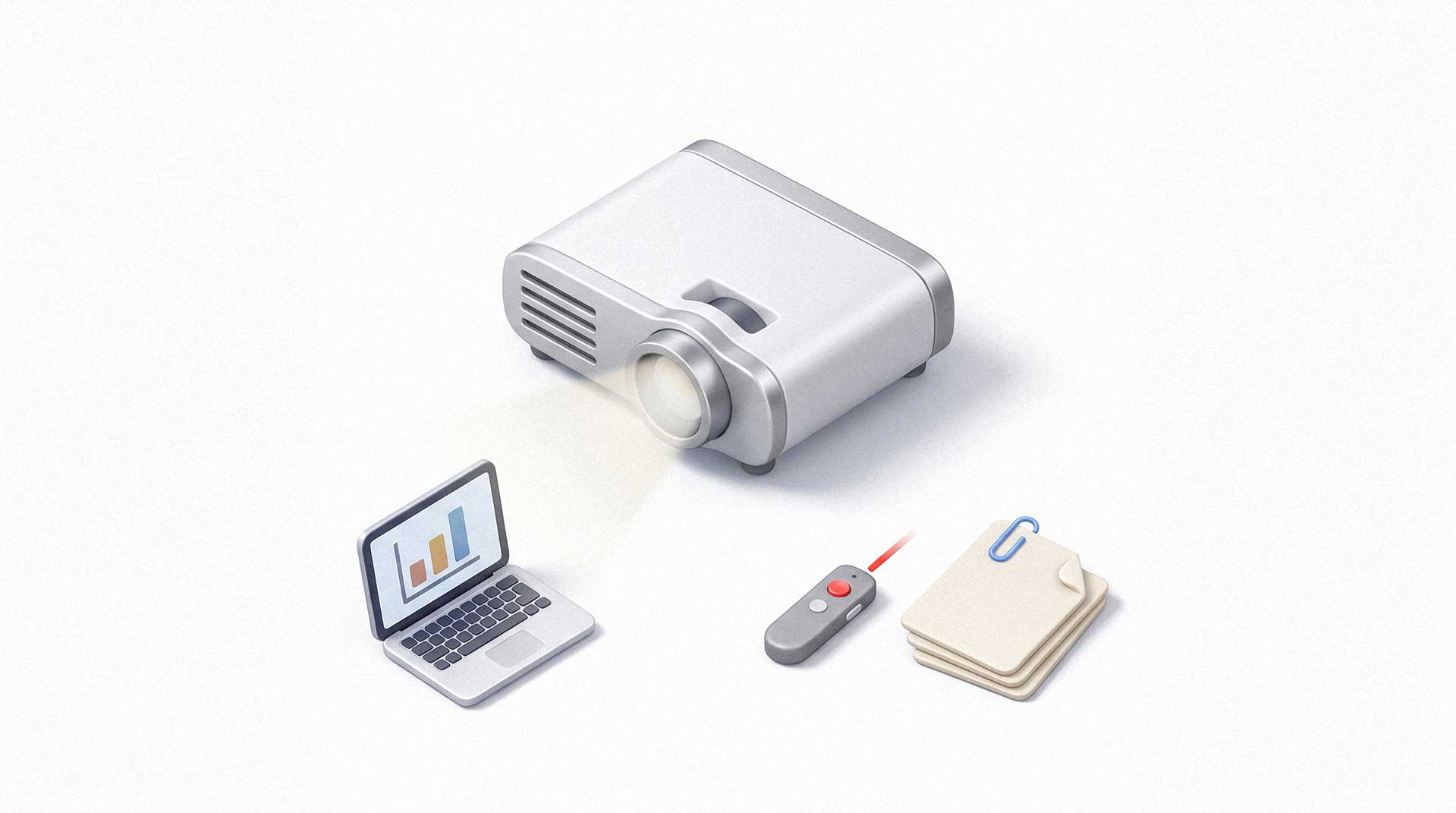
Presentations for internal corporate and public speaking.
Selected logos, corporate identities, and visual systems.
Logo, typography, and a cohesive visual identity system designed for a modern digital brand.
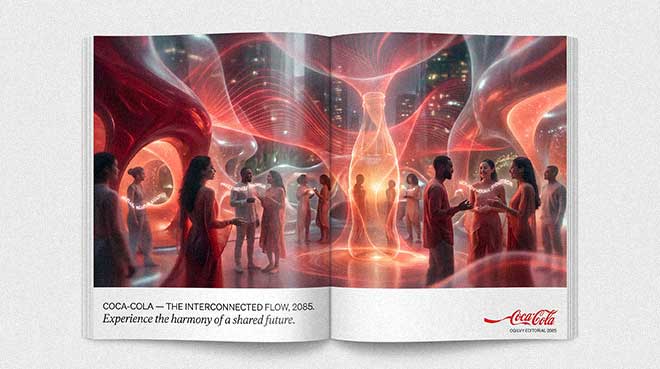
Reimagining one of the world's most iconic brands through a futuristic visual identity system.
New branding case.


Full Archive
More logos, archival projects and visual experiments.
Designing interfaces for complex enterprise and AI-driven products
I’ve been working in design for over 20 years, building products in enterprise environments and high-scale systems.
I’ve collaborated with teams and products from companies such as Sber, Gazprom, KPMG, and Ingosstrakh, designing interfaces used by hundreds of thousands of users.
My current focus is on AI tools and next-generation product systems — from UX for AI agents to integrating LLM-powered workflows into real products.
I stay close to production work because design, for me, is about visuals and influencing product behavior and business outcomes.
This is not a linear process, but a cycle — from understanding systems to delivering product decisions that impact metrics.
I start from systems, not screens
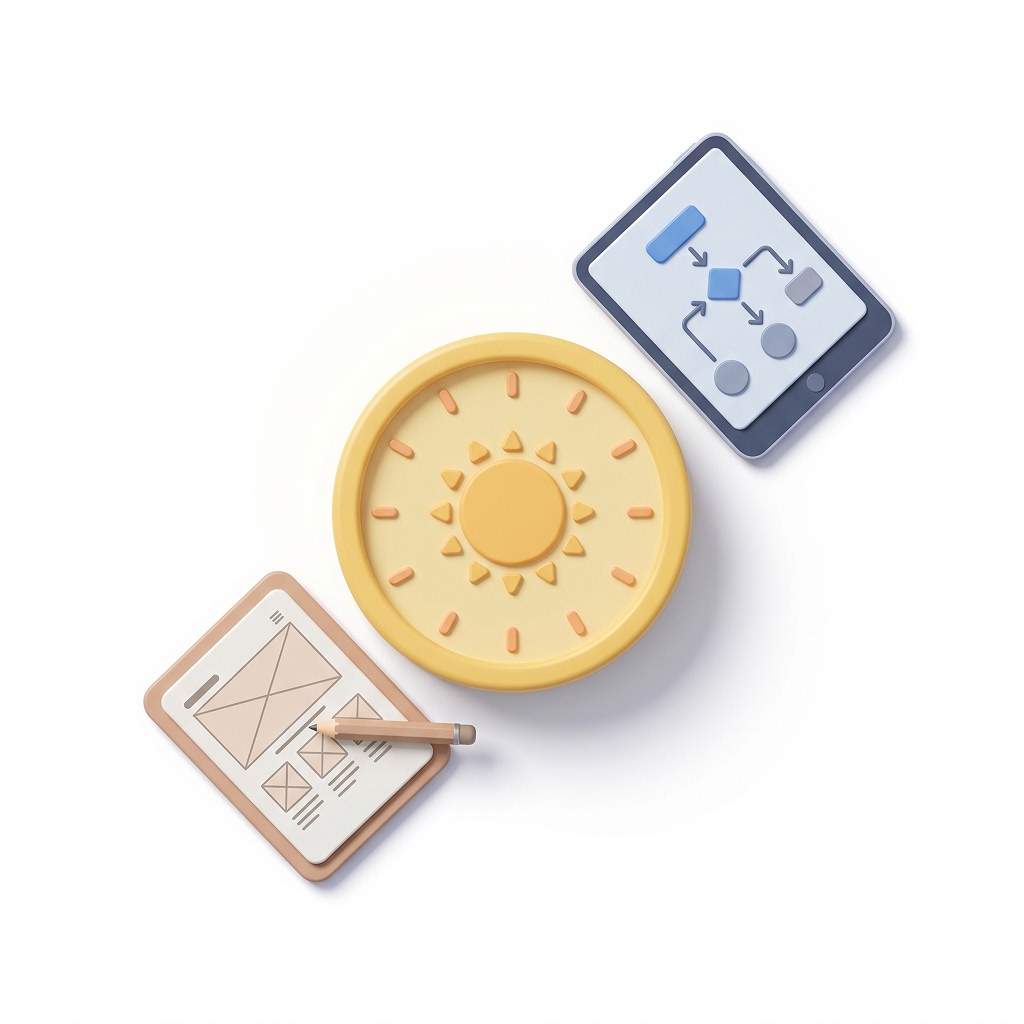
Designing flows, logic and structure
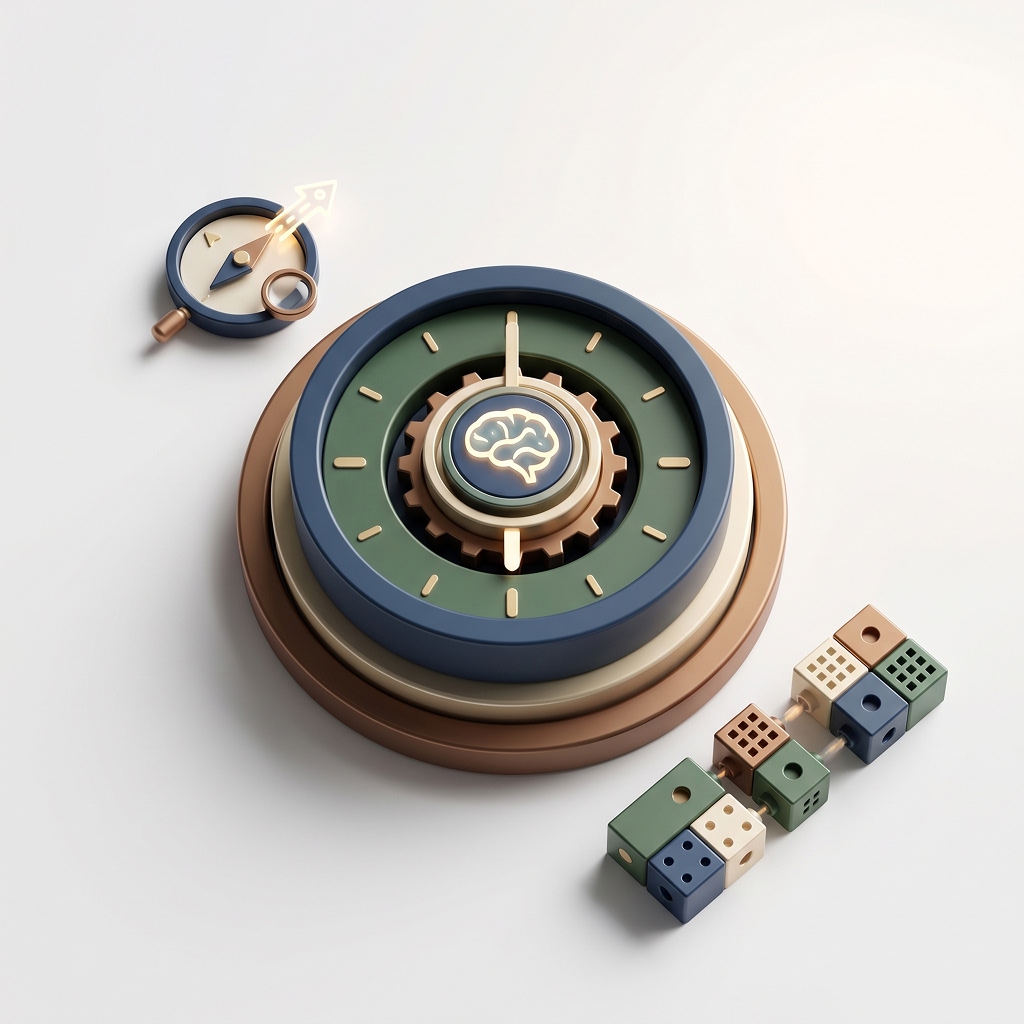
Building AI-driven UX components
My approach to product design, AI-first UX, research, metrics, and designing complex B2B / ERP interfaces
I combine qualitative and quantitative methods. First, I analyze product metrics — funnels, drop-off points, task completion time — and then enrich them with qualitative insights from customer development, interviews, and usability testing.
Based on this, I frame hypotheses using JTBD and Job Stories so they are directly tied to real user needs.
I evaluate hypothesis success through predefined metrics: A/B testing, changes in key KPIs, conversion rates, task completion time, error rates, and CSI/CSAT.
Finally, I compare results against the baseline and decide whether to scale or iterate the solution.
In uncertain situations, I rely on a mix of product thinking, qualitative insights, and fast hypothesis validation.
If data is missing or contradictory, I first outline several possible hypotheses using JTBD and user experience patterns, then refine them through quick qualitative methods like interviews, prototyping, and usability testing.
I then choose the option with the lowest risk for both the user and the business — usually the one that is easiest and fastest to validate.
After implementation, I always define metrics and validate outcomes through analytics or A/B testing to confirm or adjust the decision.
In one B2B project, I used JTBD while redesigning a CRM ticket workflow.
Interviews revealed that users didn’t really care about changing statuses — what mattered was quickly understanding the current customer state without losing context.
This shifted the design approach: instead of adding more features, we simplified the user flow, consolidated key actions into a single screen, and restructured the customer card.
As a result, task completion time decreased and the number of user errors dropped.
In a B2B CRM project, I worked on the ticket processing module.
Analytics and user feedback showed that the main workflow took too long and was error-prone due to a fragmented interface.
I redesigned the ticket structure, unified key actions into a contextual flow, and simplified the user journey using CJM and CustDev insights.
After release, ticket processing time dropped by ~25–30%, errors decreased, and support requests for this flow were reduced.
I use AI as an accelerator for research, design, and content production.
ChatGPT helps me structure hypotheses, JTBD, Job Stories, UX copy, and interview synthesis.
Codex OpenAI, AI Studio, and VSCode are used to build interactive prototypes and React / TypeScript / Tailwind-based concepts.
Gemini and NotebookLM help generate UX alternatives, explore flows, and prototype ideas quickly.
Google Flow Pro (Nana Banana) is used for visual concepts, while Kimi helps prepare presentations.
In my projects, I designed AI-driven scenarios for B2B and ERP systems, mainly focused on assistance, content generation, and simplifying complex workflows through AI-assisted UX.
My role included identifying user scenarios where AI actually reduces cognitive load.
I also designed AI flows and interface states, defined JTBD and Job Stories for AI features, and built and tested interaction prototypes.
Additionally, I worked on edge cases, error handling, and user trust in AI outputs.
I used CustDev, CJM, JTBD, scenario modeling, rapid prototyping, and usability testing.
First, I clarify the reasons behind the disagreement — whether it’s business constraints, metrics, risk, or different problem framing.
Then I align it with user data and product goals to identify where the mismatch actually is — in the solution or in the problem definition.
I either defend the solution with evidence from research, CJM, metrics, and testing, or propose alternatives and compromises.
If data is insufficient, I quickly validate assumptions through prototyping or testing and return with evidence.
I’ve mostly worked with backstage and support processes, as they have the biggest impact on stability in B2B and ERP systems.
The main challenge is synchronizing internal processes across teams — when users expect instant actions, but the system requires multiple service steps or approvals.
In such cases, I focus on identifying delays and information gaps, aligning SLAs and responsibilities, and simplifying dependencies.
I also improve system feedback and make internal states more transparent for users.
In one ERP project, this reduced manual approvals and simplified the overall workflow.
Yes, regularly. In product and B2B/ERP projects, I often translate business requirements into functional specs and UX documentation for development teams.
I structure user flows, edge cases, and interface states.
I define acceptance criteria together with PMs and engineers, and document component behavior and interaction logic.
I also collaborate with analysts and developers on API constraints and system limitations.
Tools include Figma, Jira, Confluence, User Stories, Job Stories, and flow diagrams.
In a B2B CRM project, I analyzed the effectiveness of an internal communication campaign promoting new features for managers and operators.
User segmentation was based on roles, behavioral data, feature adoption depth, and engagement levels.
Communication flows and UI hints were adapted for each segment.
Effectiveness was measured through open rate, CTR, adoption rate, usage frequency changes, CSI/CSAT, and support ticket reduction.
This approach improved engagement and made communication significantly more targeted.
Book a 15-minute discovery call to identify your system's bottlenecks and define a clear roadmap. No fluff, just professional insights.